

Garden Design ideas to inspire you

By Ian Green, Pre-Registered Member of the Society of Garden & Landscape Designers

Creating a garden that feels both personal and timeless is a rewarding challenge. I’ve found that the best gardens are those that balance beauty with function, they invite you in, offer quiet moments, and adapt to your lifestyle.
Whether you have a compact courtyard or a large plot, and are looking for inspiration, here are some garden ideas that can help you transform your outdoor space into something truly special.
Embrace Natural Elements in Your Garden
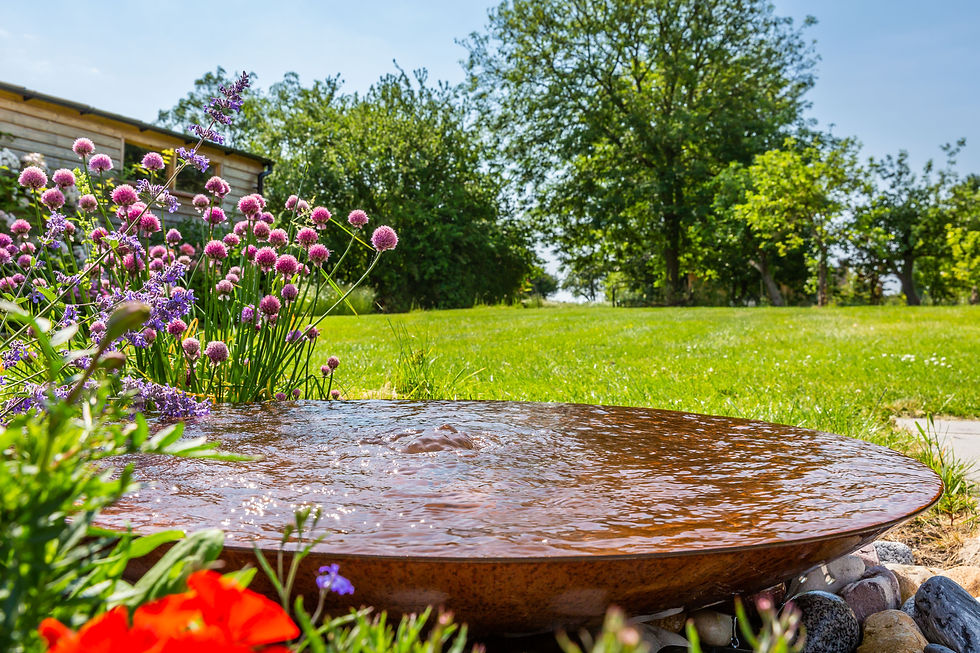
Nature is the ultimate designer. When you work with natural elements, your garden feels more
authentic and grounded.
The key is to choose materials and plants that belong to your local environment:
Use local stone (such as limestone, slate, or sandstone) for pathways and seating areas, it weathers beautifully over many years and requires almost no maintenance.
Add a small pond or a gently bubbling fountain. Water features introduce sound and movement, making your garden feel like a genuine retreat. Even a small 1–2m water feature can transform a space. For more information about water features and the different types available click here
Choose native plants that thrive in your soil and climate without excessive watering or feeding. Species like lavender, salvia, ornamental grasses, and hardy geraniums offer year round interest.
Incorporate natural timber for raised beds, fencing, or pergolas. Choose FSC certified or reclaimed wood for a sustainable option.
Try to keep the overall design simple. Let the textures and colours of natural materials speak for themselves, and resist the urge to over plant. A curated selection of three to five key plant species often looks more considered than dozens crammed together. Choose a few key species, for more information on planting checkout my post Right Plant, Right Place.
Trending Garden Ideas: Minimalism Meets Function

Minimalism is more than a style. It’s a way to create calm and order in your garden. The trend is to focus on clean lines, uncluttered spaces, and purposeful planting. This approach works well
for both small and large gardens.
The core principles are:
Clean lines and uncluttered spaces. Avoid busy layouts with too many small beds.
Purposeful planting: choose plants with strong architectural shapes such as clipped Sarcococca balls, tall ornamental grasses, Agapanthus, or structural shrubs like Pittosporum.
Defined zones: a seating area, a planting bed, and an open lawn or gravel area. Straight or gently curving paths link each zone and create natural sightlines.
Subtle, well placed lighting. Low level path lights, uplighters on key plants, and warm overhead string lights extend usability into the evening without overwhelming the design.
This style suits those who want a garden that feels modern but still warm and inviting. It’s about quality over quantity.
How do I design my garden layout?

Designing your garden layout is the foundation of a successful project. It’s where you decide
how the space will flow and function. Start here before choosing a single plant or paving slab.
Here are a few steps to get you started:
Sketch your space to scale. Note the position of the house, fences, gates, and any existing features you want to keep.
Identify sun and shade patterns throughout the day. South facing spots are ideal for seating and sun loving plants; shadier north facing areas suit ferns, hostas, and hydrangeas.
Decide what you want to use the garden for: relaxing, entertaining, growing food, a play area for children, or a combination.
Divide the garden into zones and connect them with paths at least 60–90cm wide for comfortable single file walking, or 120cm+ for two people side by side.
Consider vertical space. Trellises, pergolas, and wall trained plants add height and interest without using extra ground area, especially valuable in smaller gardens.
Plan for growth. Mix fast establishing plants (such as ornamental grasses and perennials) with slower growing structural plants (hedging, trees) so the garden looks good from year one.
Consider the scale. Large open lawns can feel empty, while too many small beds can feel
cluttered. Balance is important. For more information, check out my post How to Design a Garden You’ll Actually Use
Incorporating Sustainable Practices

Sustainable garden design is no longer optional, it’s a responsibility that benefits both you and the local environment. The good news is that sustainable gardens are often easier and cheaper to maintain in the long run.
Start with these fundamentals:
Soil health first. Healthy soil supports strong, disease resistant plants and reduces the need for fertilisers. Compost kitchen scraps (vegetable peelings, coffee grounds) and garden waste to create a free, nutrient rich soil improver.
Harvest rainwater. Install a water butt connected to a downpipe, a 200 litre butt can supply weeks of watering during dry spells. Use drip irrigation or soaker hoses to deliver water directly to roots and minimise evaporation.
Choose drought tolerant plants. Mediterranean species like lavender, rosemary, cistus, and ornamental alliums need very little watering once established.
Mulch generously. A 5–10cm layer of bark mulch around plants retains soil moisture, suppresses weeds, and slowly feeds the soil as it breaks down.
Ditch chemical pesticides. Encourage natural predators by planting pollinator friendly flowers such as Echinacea, Verbena bonariensis, and single flowered dahlias. Ladybirds, lacewings, and hoverflies will manage aphids naturally.
Reuse and recycle materials. Old bricks, reclaimed timber, and salvaged stone add character and reduce the environmental cost of your project.
These steps create a garden that is resilient and low maintenance.
Adding Personal Touches to Your Garden

Your garden should be a reflection of who you are. Personal touches are what transform a well designed space into one that feels genuinely yours.
Think about what you love and how you live:
If you enjoy cooking, dedicate a raised bed or large container to herbs such as rosemary, thyme, mint, and basil which are rewarding and practical. A small vegetable patch can be highly productive even in a few square metres.
If you enjoy art, consider a sculpture, a mosaic stepping stone, or decorative glazed pots as focal points.
For relaxation, invest in a quality bench, a hammock between two trees, or a sheltered pergola with comfortable outdoor furniture.
Use colour intentionally. Bold planting combinations (think deep purples with silvers, or hot oranges with lime greens) create drama; softer pastels feel calming and romantic.
Lighting adds atmosphere after dark. Fairy lights woven through hedging, lanterns on tables, or well placed spotlights on a favourite tree all extend the pleasure of your garden into the evening.
Remember your garden is a living space, it will grow with you. With careful planning and a clear vision, you can create an outdoor environment that brings joy for years to come.
If you want to explore more ideas and get expert advice, I recommend checking out my garden
design blogs and ideas. They offer thoughtful, long lasting solutions that truly reflect your needs.
Frequently Asked Questions
What are the key elements of good garden design?
Good garden design balances beauty with function. The key elements include a clear layout with defined zones (seating, planting, and lawn), natural materials like stone and timber, appropriate plant choices for your climate, good lighting, and sustainable practices such as composting and rainwater harvesting.
How do I start designing my garden from scratch?
Begin with a simple sketch of your space and note sun, shade, and any existing features. Decide what you want the garden for, for example relaxing, entertaining, growing food, then divide it into zones and connect them with paths. Choose plants suited to your soil and climate, and plan for how they’ll grow over time.
How can I make my garden more sustainable?
Focus on soil health through composting, install a water butt for rainwater harvesting, choose drought tolerant plants, avoid chemical pesticides, and reuse or recycle materials where possible. Grouping plants by water needs also reduces waste also consider adding a layer of mulch around plants.
How much does garden design cost?
Garden design costs vary widely depending on the size of the space, the complexity of the design, and the materials chosen. A professional design consultation is a worthwhile investment as it can save money by avoiding costly mistakes and ensuring the finished garden meets your needs from day one.
Ready to Bring Your Garden Vision to Life?
Every great garden starts with a great plan. Whether you’re starting from scratch or refreshing an existing space, Ian Green Garden Design creates bespoke outdoor spaces tailored to you - your style, your soil, your life.
About the author Ian Green is a garden and landscape designer with over 25 years’ experience, working with clients across the East Midlands and beyond. He believes that the best gardens start with listening to the space, and to the people who’ll live in it.
To learn more visit iangreengardendesign.co.uk


Comments