

How to Design a Garden You’ll Actually Use
- Ian Green

- Apr 6
- 5 min read
Updated: 4 days ago
By Ian Green, Pre-Registered Member of the Society of Garden & Landscape Designers
Most people don't have a garden problem. They have a use problem.
The space is there. The potential is there. But it never quite becomes part of daily life - and that usually comes down to one thing: the garden hasn't been designed around how you actually live.
This guide covers the most common reasons gardens go unused, and the practical design decisions that change that.
Whether you have a blank canvas or an existing space that just isn't working, the principles are the same: start with behaviour, remove friction, and let the layout follow your life.

Why Gardens go unused (It’s rarely one thing)
Most underused gardens aren't the result of one obvious problem. They're the result of several small, overlooked barriers that stack up:
• Nowhere comfortable or sheltered to sit
• that feel exposed or overlooked by neighbours
• Clear flow - you're not sure where to go or how to move through it
• Too many steps to "get set up" before you can relax
• A general feeling that going outside takes more effort than it's worth
Individually, these seem minor. Together, they create friction. And friction kills use.
The fix isn't always a full redesign. Sometimes it's moving a seat into sunlight, adding a simple screen for privacy, or creating a clear path that draws you outside naturally. But it starts with understanding what's actually getting in the way.
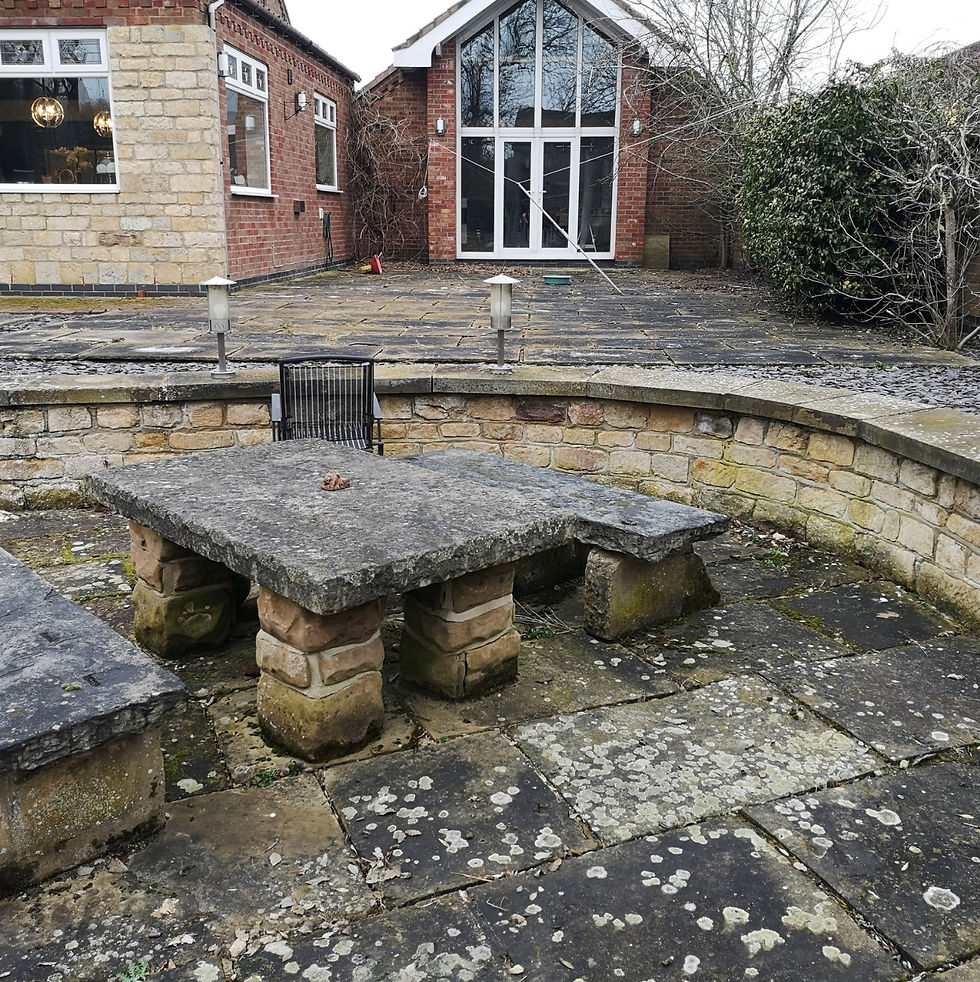
Design with Real Life - not Pinterest ideas
A usable garden doesn't start with features. It starts with behaviour.
Before thinking about what to add, ask yourself some honest questions:
• When would you realistically use your garden - morning, evening, or weekends?
• Do you want quiet time alone, or a social space for others?
• How much time do you genuinely want to spend maintaining it?
These answers should drive every design decision. A beautiful south-facing terrace is wasted if you're only ever outside after work, by which point it's in full shade. A large lawn looks great on paper but creates a weekly maintenance obligation that gradually puts you off going out at all.
Good garden design follows your answers - not the other way round.
Design out the Friction
If you want to use your garden more, the most effective thing you can do is remove resistance. In practice, that might mean:
Positioning seating correctly
A common mistake is placing a patio where it looks right on a plan, rather than where it actually catches sun at the times you're outside. If you're home by 6pm, test where the light falls at 6pm - not midday. Moving a seating area just a few metres can be the difference between a space you use every evening and one you never quite get round to.

Creating a sense of enclosure
Spaces that feel exposed don't get used. This doesn't mean fencing everything in - it means using planting, low screens, or changes in level to create a sense of shelter without closing the garden off. When a space feels contained and comfortable, people naturally spend more time in it.
Simplifying the layout
If the garden doesn't have a clear logic to it - if you have to think about where to go - you'll default to staying inside. A well-resolved layout draws you through the space without effort. It feels obvious, even if a lot of thought went into making it that way.
Making it feel ready
The best garden spaces don't require setup. The seat is there. The surface is level and easy underfoot. There's nothing to move or prepare before you can relax.

Making stepping outside feel natural
The best gardens don't require a decision. You don't think about going outside. You just go.
That usually comes down to the relationship between the house and the garden. When materials, levels, and sight lines connect indoors and out - when you can see an inviting space from your kitchen or living room - the garden stops being a separate destination and becomes an extension of your home.
Simple things make a real difference here: a sliding door that opens directly onto a level patio, a seating area positioned in the sightline from inside, planting that frames a view rather than blocks it. None of these are complicated. But without them, even a well-planted garden can feel disconnected and overlooked.
Garden Design that works in Real Life
A well-designed garden isn't about adding more features. It's about making the space easier to use, more comfortable to be in, and naturally part of your routine.
The most successful gardens aren't the most complex. They're the ones that fit how the people using them actually live - and that feel just as good in three years as they do in the first summer.
That's the standard worth designing to.
Plus there are health benefits to getting out in your garden
Getting into your garden isn’t just pleasant -there’s solid evidence it’s good for you. The RHS notes that gardening supports physical health, reduces stress, and improves mood, while Thrive, the gardening and health charity, highlights its benefits for mental wellbeing across all ages and abilities.
Designing a garden you’ll actually step into, therefore, isn’t just an aesthetic decision. It’s one with real health implications.
Read more about how garden design supports mental wellbeing by clicking here
Frequently Asked Questions
Why don't I use my garden even though I want to?
The most common reasons are friction and misalignment. The space either doesn't match when and how you want to use it, or small barriers - lack of shelter, poor seating position, no clear layout - make going outside feel like more effort than it's worth. Identifying those specific barriers is the most useful starting point.
How do I make my garden more usable without a full redesign?
Start with the biggest friction points. Often, repositioning a seat to catch better light, adding a simple privacy screen, or creating a clearer path through the space can make a significant difference without touching the overall layout. A full redesign is sometimes the right answer, but not always the first step.
What makes a garden feel easy and comfortable to use?
Enclosure, sunlight, and readiness. A space that feels sheltered, catches light at the times you're actually outside, and doesn't require effort to set up will almost always get used more than a more elaborate space that lacks these qualities.
How do I design a garden around my lifestyle?
Start by being honest about when you're outside, what you're doing, and how much maintenance you actually want. Let those answers drive the layout, materials, and planting choices - rather than starting with features and trying to fit your life around them.
What's the difference between a garden that looks good and one that works well?
A garden that looks good is designed for photographs. A garden that works well is designed for the people using it - and that distinction usually shows up within the first few weeks of living with it.
Ready to Design a Garden You'll Actually Use?
Ian Green Garden Design works with homeowners in the East Midlands and UK, to create considered, bespoke gardens that fit real life - not just the first summer.
About the author Ian Green is a garden designer based in Lincolnshire, and a pre-registered member of the Society of Garden & Landscape Designers.
Ian Green Garden Design specialises in considered, bespoke garden layouts built around how you actually live - not just how a garden looks on day one.
To learn more visit iangreengardendesign.co.uk


Comments